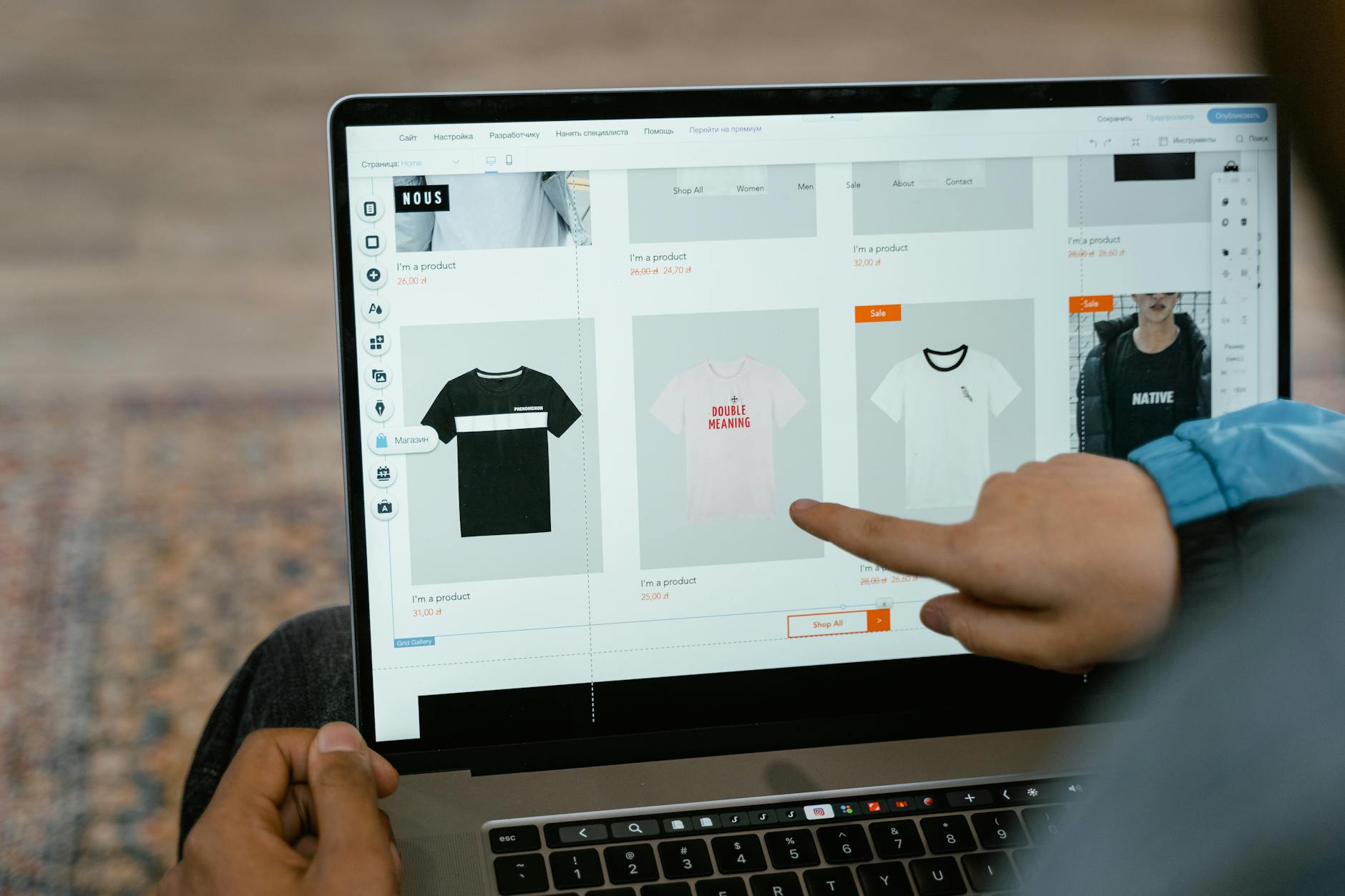
Shopify Dropshipping: The Ultimate Guide to Building Your Store
Starting an online business has never been more accessible, and Shopify dropshipping remains the gold standard for entrepreneurs looking to build a brand with minimal overhead. By eliminating the need for physical inventory, you can focus entirely on customer acquisition and marketing while your suppliers handle the logistics. If you are wondering how to start dropshipping, this guide provides the blueprint you need to move from an idea to your first sale.
The Mechanics of Shopify Dropshipping
At its core, the model relies on a simple relationship between you, the supplier, and the customer. When an order is placed through your store, you purchase the item from a third-party supplier who then ships the product directly to your buyer. Because you never handle the stock, the barrier to entry is exceptionally low compared to traditional brick-and-mortar retail business models.
Looking for Web Development or SEO Services?
Start a free execution consultation with our core architects and developers to outline a complete launch roadmap.
Successful store owners treat Shopify dropshipping as a genuine business rather than a "get rich quick" scheme. It requires deep research into product quality, reliable shipping times, and responsive customer service. You are the face of the brand, which means your reputation is tied to the performance of the manufacturers you choose to represent to your customer base.
Also Read: How to Choose a Website Designer: The Ultimate Hiring Guide
Also Read: WordPress to Next.js: The Ultimate Page Speed Playbook
Also Read: Shopify vs. Custom Next.js Frontends: Which Scales Better?
How to Start Dropshipping the Right Way
The first step in your journey involves identifying a target audience with a specific, solvable problem. Trying to sell everything to everyone is a recipe for failure in the crowded modern marketplace. Instead, focus on a micro-niche where you can establish authority and connect deeply with a community of buyers who need your specific product.
Before launching, you must research your competition to ensure there is a healthy market for your products. Use tools like Google Trends or social media analytics to gauge current interest levels in your niche. If you find the setup process overwhelming, you might consider looking at pre-built websites for sale to jumpstart your launch phase with a proven design and existing workflow.
Looking for Web Development, Maintenance, Mobile App, or SEO Services?
Start a free execution consultation with our core architects and developers to outline a complete launch roadmap.
Niche Selection and Product Sourcing

Choosing the right products is arguably the most critical decision for your store's long-term health. High-ticket items often yield larger profits per sale, but they also require a higher level of trust from your customers. Conversely, lower-priced impulse buys are easier to move but require significant volume to generate a substantial monthly income.
Once you have a niche, vet your suppliers thoroughly by ordering samples to your own address. You need to see how the product is packaged, how long the shipping takes, and whether the physical quality matches the online description. Reliable shipping is the backbone of your brand; if your customers receive damaged goods or wait a month for delivery, your store will not survive.
Building Your Online Storefront
Shopify provides the most intuitive interface for building a high-converting store. Focus on clean, fast-loading themes that prioritize the user experience on mobile devices, as most of your traffic will likely come from smartphones. A cluttered site will drive customers away, so keep your navigation simple and your product descriptions informative and persuasive.
If you need expert help with your technical setup, our digital services can help ensure your store is optimized for search engines from day one. Proper SEO configuration, site speed optimization, and clear calls to action are non-negotiable elements. Remember that the design of your site establishes the trust required for a stranger to enter their credit card information.
Also Read: How to Choose a Website Designer: The Ultimate Hiring Guide
Also Read: WordPress to Next.js: The Ultimate Page Speed Playbook
Also Read: Shopify vs. Custom Next.js Frontends: Which Scales Better?
Marketing and Customer Acquisition
Building the store is only half the battle; driving targeted traffic is where the real work begins. Paid social media advertising is a common starting point, but do not ignore the power of organic content. Creating short-form videos on platforms like TikTok or Instagram can show your product in action, which builds immediate credibility with potential shoppers.
You should also implement email marketing sequences to recover abandoned carts and nurture repeat customers. Every email capture is a valuable asset that allows you to market for free in the future. If you feel stuck on your growth trajectory, contact our team to discuss strategies for scaling your ad spend effectively.
Looking for Web Development, Maintenance, Mobile App, or SEO Services?
Start a free execution consultation with our core architects and developers to outline a complete launch roadmap.
Essential Tips for Scaling Your Business
Once your sales start rolling in, you must focus on maintaining quality while scaling your operations. Many new store owners struggle when order volume increases because they fail to automate their fulfillment processes. Follow these actionable steps to ensure your shop continues to operate smoothly as it grows:
- Consistently audit your supplier performance to ensure they can handle high order volume without delaying shipments.
- Use professional photography to ensure your site stands out from competitors using generic, low-quality stock images.
- Focus on building a long-term brand rather than a temporary store by prioritizing customer service and issue resolution.
- Optimize your checkout flow to reduce friction, as small improvements in conversion rate can lead to massive jumps in profit.
- Analyze your data daily to determine which marketing channels deliver the highest Return on Ad Spend (ROAS).
Frequently Asked Questions
Is Shopify dropshipping still profitable?
Yes, it remains profitable if you treat it as a legitimate retail business. Profitability depends on your ability to find winning products, manage customer expectations, and keep your marketing costs lower than your profit margins.
Do I need a lot of money to start?
You can begin with a relatively small budget, but you will need funds for your Shopify subscription, domain name, and initial marketing tests. Most experts suggest starting with a few hundred dollars to get your store live and test your first set of ads.
How do I find reliable suppliers?
You can use marketplaces like DSers or CJ Dropshipping to connect with vetted suppliers. Always check their feedback scores and order sample products before listing them on your store to ensure the quality is up to your standards.
How long does it take to make sales?
There is no fixed timeline, as it depends on your marketing strategy and product demand. Some store owners see their first sale within days of launching ads, while others require weeks of testing different creative assets and audiences.
Conclusion
Embarking on your Shopify dropshipping journey requires patience, strategic thinking, and a willingness to learn from your mistakes. By focusing on customer experience and consistent product research, you can build a sustainable brand that generates steady revenue over the long term. If you are ready to begin, take the time to map out your niche and browse available websites for inspiration or a head start. Understanding exactly how to start dropshipping allows you to bypass common pitfalls and focus on the growth of your business. Start today, stay disciplined with your testing, and watch as your store begins to scale into a professional operation.